



Summary:
Early winter in Calgary swings between cold snaps and chinooks, and every freeze-thaw cycle puts repeated stress on pipes, outdoor taps, drains and water heaters. This guide explains how chinooks affect your plumbing, how to winterise outdoor taps and hoses, why the City of Calgary recommends keeping your thermostat at a minimum of 15°C even on mild days, the early signs of a frozen or leaking pipe, and when it is time to call a plumber.
Early winter in Calgary rarely stays steady. A cold snap can arrive on Monday, a chinook can push the temperature well above zero by Wednesday, and by the weekend you may be back to a deep freeze. Those swings are part of living here, and Calgary freeze-thaw plumbing stress is something your pipes and heating systems feel every time.
Repeated warming and cooling puts extra stress on pipes, fittings and anything holding water. Water expands as it freezes, and materials also expand and contract as temperatures change. Over a winter, a small weakness in a joint, a worn washer or an exposed section of line can turn into a leak.
A chinook can also create a false sense of security. When it feels like spring in the afternoon, it is easy to forget that overnight temperatures can fall again quickly. The most vulnerable spots tend to be:
Disconnect your garden hoses, drain them and put them away before freezing weather settles in. A hose left attached can trap water in the tap and the line behind it, which is exactly where freezing damage tends to start.
Removing the hose is only one step. How an outdoor tap should be winterised depends on how it is installed:
ERM also covers why fall plumbing care matters in more detail.
Keep your heating on and your thermostat at a minimum of 15°C. That is the guidance from the City of Calgary on protecting water lines from freezing, and it applies on mild chinook days as much as on cold ones.
If you use a smart thermostat or a schedule, review it rather than assuming the automatic settings suit a changeable week. Lowering the temperature to save energy during a warm spell can leave your pipes exposed when the cold returns overnight.
The early signs are often small, and a pipe that has frozen but not yet burst can look fine from the outside. Watch for:
If you suspect a frozen pipe, keep the heat on and shut off the water to that area if you can do so safely. Do not use an open flame to thaw it. If water is escaping, close the main shut-off and call a plumber. It helps to know where the main shut-off is before you ever need it, and ERM has more on the signs of a pipe leak in your home.
When a chinook melts snow quickly, a lot of water can end up around your foundation in a short time. If it cannot drain away, it can find its way toward basement floor drains and sump pits. You cannot control the weather, but a few habits help:
Colder incoming water and longer run times mean your water heater and heating equipment work harder in winter. Aging equipment tends to show it first, through uneven heat, noises, leaks or a drop in hot water.
Before the deepest cold arrives, make sure your heating system actually starts and warms the house, and look around the base of your hot water tank for moisture. If you have a boiler or in-floor heating, notice any uneven warmth or changes in performance. A thermostat setting cannot protect your plumbing if the heating system is not working. It is far better to arrange service on a mild day than during a cold snap.
A chinook itself brings warmer air, but temperatures can drop again quickly once it passes. Pipes in unheated or draughty areas and outdoor lines are most at risk when the cold returns overnight.
Keep your thermostat at a minimum of 15°C, as the City of Calgary recommends. A warm afternoon does not guarantee a warm night.
Keep the heat on, shut off the water to that area if it is safe to do so and avoid open flames. If you see water escaping, close the main shut-off and call a plumber.
Disconnect and drain the hose, then close the interior shut-off for the outdoor line if your home has one and drain the tap as intended. If you cannot find the valve or are unsure how your tap drains, have a plumber check it before the next hard freeze.
Calgary's weather is not going to stop swinging, but a few simple checks can keep Calgary freeze-thaw plumbing stress from becoming an emergency. If you have an active leak, a pipe you think has frozen, no hot water, unreliable heating or an outdoor tap you cannot winterise properly, ERM Plumbing & Heating can take a look, handle the plumbing repairs and explain clearly what your system needs.
Our team provides plumbing and heating services across Calgary. Contact ERM to book a winter plumbing check before the next cold snap arrives.
Add ERM Calgary as a Preferred Google Source to see our updates first!
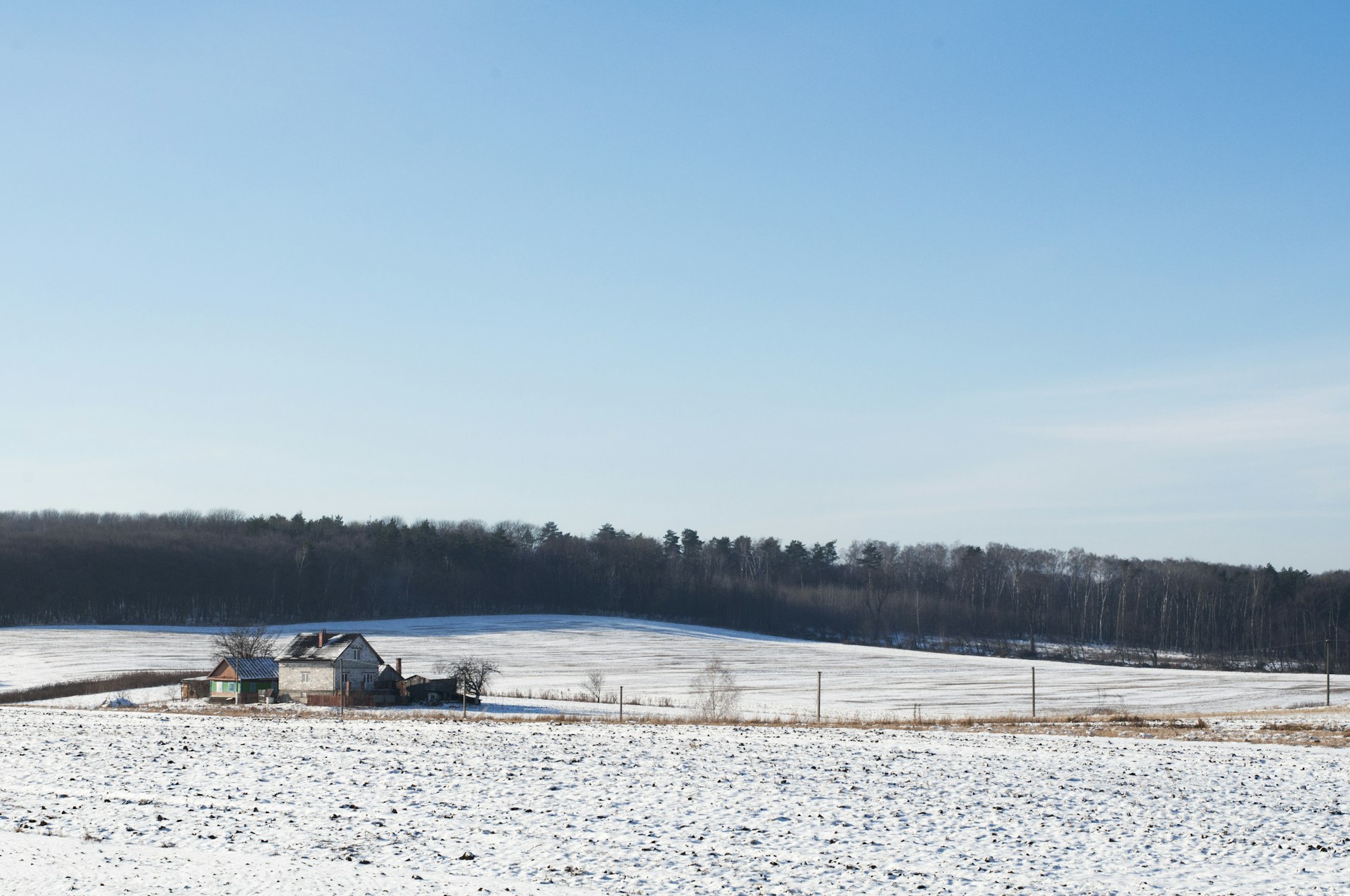
Calgary freeze-thaw plumbing tips: protect pipes, outdoor taps and drains through chinook swings.
Read More
Dry Calgary winter air? See the ideal indoor humidity and if a whole-home humidifier suits you.
Read More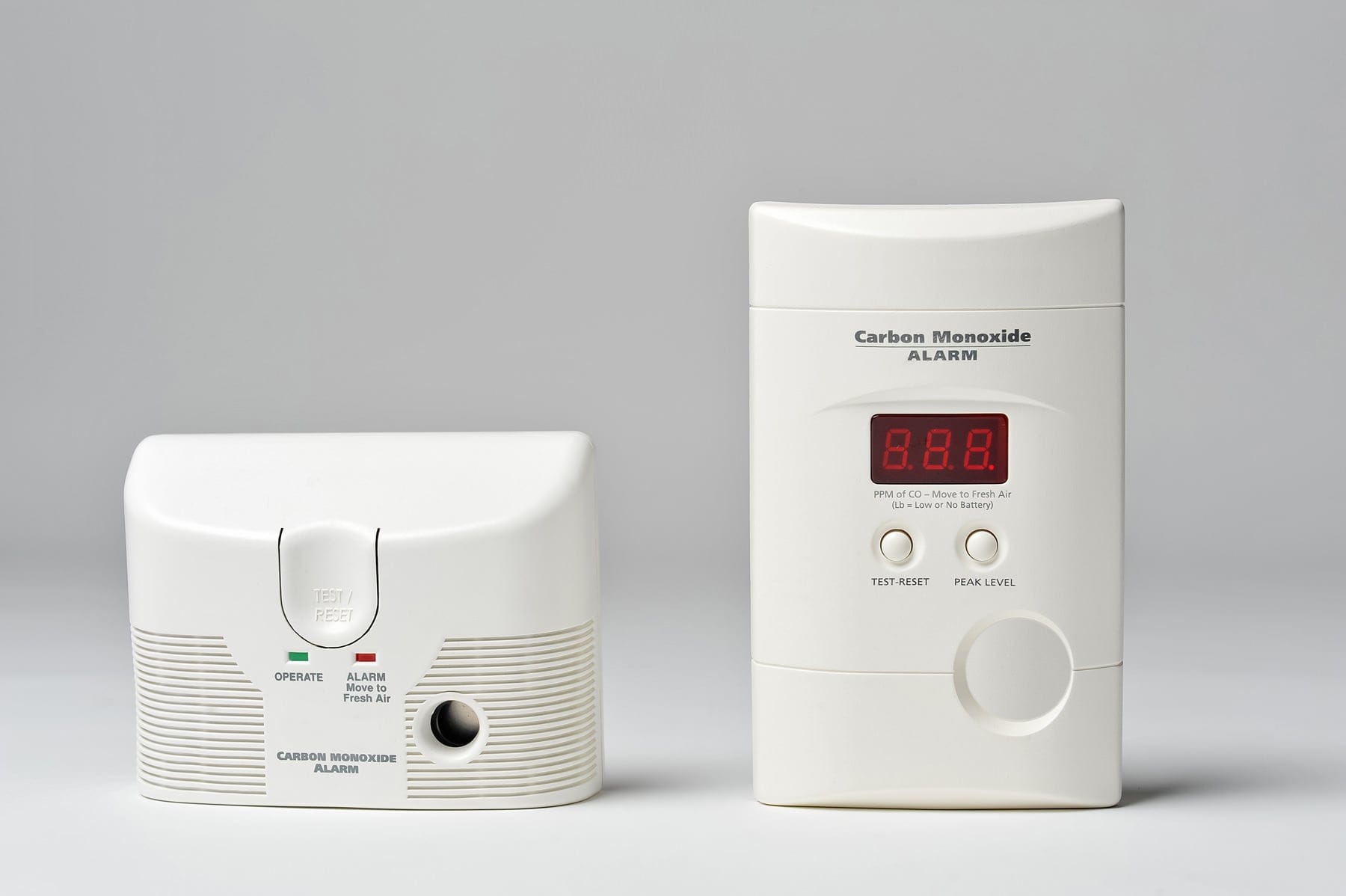
A heating-season carbon monoxide checklist for Calgary homes, from alarms to vents.
Read More

