


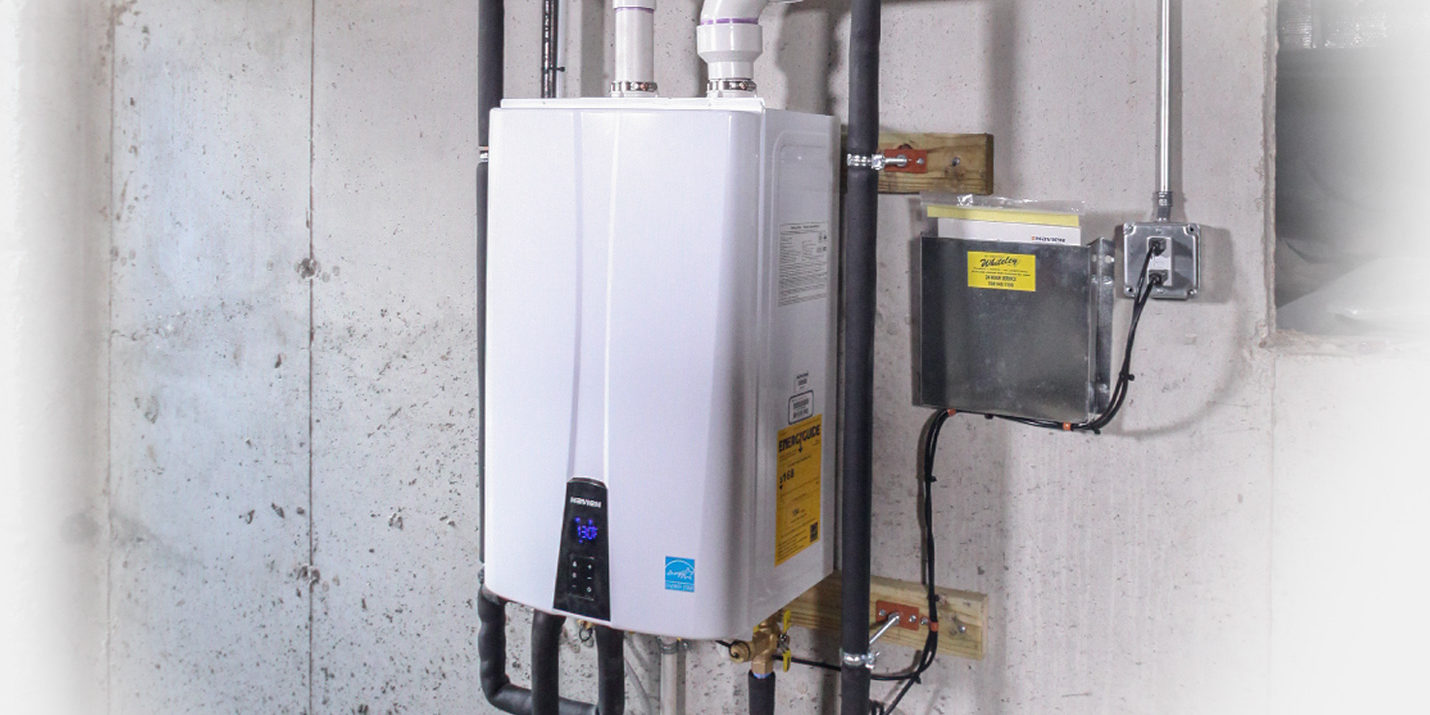

Planning a tankless water heater installation in Calgary? This comprehensive guide walks you through the entire process from initial consultation to final testing. Learn what happens during each installation phase, including home assessment, infrastructure upgrades specific to Calgary homes, equipment selection, and professional installation.
We cover realistic timelines (typically 6-10 hours), costs for Calgary-specific requirements like gas line upgrades ($500-$1,200) and venting modifications ($400-$800), necessary permits, and what preparations you should make before installation day. Whether you're upgrading from a traditional tank or replacing an existing tankless unit, understanding the step-by-step installation process helps you prepare properly, avoid surprises, and ensure your new system delivers optimal performance in Calgary's extreme climate conditions.
So you've decided to install a tankless water heater in your Calgary home. Smart choice but what happens next? Understanding the installation process helps you prepare properly, budget accurately, and know what to expect on installation day.
Unlike simple tank replacements that take a few hours, tankless water heater installation Calgary projects often involve infrastructure upgrades, permit requirements, and specialized expertise. This guide walks you through every step so there are no surprises.
Your tankless water heater installation journey begins with a thorough home assessment. A qualified Calgary plumber evaluates several critical factors that determine whether your home is ready for tankless or needs upgrades first.
Gas supply assessment comes first. Most Calgary homes have ½-inch gas lines serving their current tank water heaters. Tankless units require significantly more gas flow typically ¾-inch lines to heat water instantaneously. Your installer measures gas pressure at your meter and calculates whether your existing line can supply adequate BTUs (usually 150,000-200,000) to your new tankless unit.
Electrical capacity evaluation happens next, even for gas tankless models. These units need 120V power for electronic controls and ignition systems. Your installer checks your electrical panel location, available circuits, and whether you have adequate capacity.
Venting requirements differ dramatically from traditional tanks. Tankless units produce higher-temperature exhaust and require Category III stainless steel venting that resists corrosion. Your installer evaluates the venting path from your proposed unit location to the exterior, checking for obstacles and required clearances.
Water hardness testing matters significantly in Calgary. Our municipal water typically measures 10-15 grains per gallon considered moderately hard to hard. Your installer discusses the mandatory annual descaling maintenance your tankless unit will require to prevent mineral buildup damage.
Proper sizing separates satisfactory performance from frustrating temperature fluctuations. Your installer calculates required capacity based on Calgary-specific factors.
Flow rate calculation starts by identifying simultaneous hot water usage. If your household might run two showers (2.5 GPM each) plus the dishwasher (1.5 GPM) at the same time, that's 6.5 GPM total demand. In summer when Calgary's incoming water is around 15°C, heating to 55°C requires a 40-degree temperature rise. In winter when incoming water drops to 3°C, that becomes a 52-degree rise requiring significantly more heating capacity.
For 6.5 GPM with a 52-degree rise (worst-case Calgary winter scenario), you'll need approximately 180,000-200,000 BTU input. Undersizing means temperature drops during peak usage.
Install tankless water heater Calgary projects require permits no exceptions. Reputable plumbing companies handle permit applications as part of their service.
City of Calgary plumbing permits are mandatory for any water heater installation or replacement. Permit fees typically run $100-$150 and processing takes 1-3 business days. Gas line modification permits may be required separately if you're upgrading gas supply lines.
Skipping permits to save money creates serious problems. Un-permitted work voids equipment warranties, creates insurance complications, and must be disclosed when selling your home. Always insist on proper permitting.
Professional installers arrive with all necessary equipment, parts, and safety gear. They start by protecting your space with drop cloths along the path from your entry door to the installation location.
Shutting off utilities happens systematically. Your installer closes the gas supply valve to your current water heater, shuts off the cold water supply, and turns off power if needed. They'll drain your existing water heater completely before removal.
Whether you're replacing a traditional tank or an old tankless unit, removal requires proper procedure to avoid water damage or gas leaks.
Disconnecting utilities comes first gas line, water supply, and exhaust venting. Tank water heaters hold 40-60 gallons even after draining, so installers carefully disconnect water lines to avoid flooding. Traditional tanks weigh 100-150 pounds when empty and are carted outside for disposal.
This phase explains why tankless water heater installation takes significantly longer than tank replacements. Most homes need at least some upgrades.
Gas line upgrades involve running new ¾-inch black iron pipe or CSST from your gas meter to the new tankless location. Installers must properly size the line, maintain correct pipe slope, use appropriate fittings, and pressure-test the entire run before energizing with gas. This process takes 2-4 hours depending on distance and routing complexity.
Electrical work includes running new 120V circuits from your electrical panel to the tankless unit location. This involves fishing wire through walls, installing junction boxes, and making proper connections.
Venting installation requires running Category III stainless steel vent pipe from the unit through your home's exterior wall or roof. Unlike traditional tank venting that relies on natural draft, tankless units use power venting. Installers must maintain proper slope for condensate drainage, seal all joints, and ensure the termination point meets code requirements. Venting work typically takes 2-3 hours.
With infrastructure complete, your new tankless water heater finally goes in place.
Wall mounting involves securing the unit to wall studs using heavy-duty brackets. Tankless units typically weigh 40-70 pounds and must be mounted perfectly level. Installers use laser levels to ensure proper positioning.
Making connections happens systematically. Gas line connection first, using appropriate fittings and thread sealant. Water supply and hot water outlet connections next. Venting connection to the unit's exhaust port. Finally, electrical connections for power and controls.
Installing safety devices is mandatory. A new temperature/pressure relief valve gets installed and properly drained according to code. Gas shut-off valves must be accessible.
This critical final phase ensures your new system operates safely and efficiently.
Pressure testing verifies there are no gas leaks. Installers use specialized soap solutions or electronic gas detectors to check every connection under full pressure.
Water testing involves slowly opening water supply valves while checking for leaks at all water connections. Installers purge air from the system and verify proper water flow through the unit.
First ignition is when your tankless water heater fires up for the first time. Installers monitor ignition sequence, flame pattern, and combustion efficiency. Modern tankless units display error codes if anything's wrong.
Temperature calibration ensures your unit delivers the hot water temperature you want. Installers test at multiple fixtures, adjusting the unit's temperature setting as needed.
Explaining your system concludes installation. Professional installers walk you through your new tankless water heater's operation, showing you control settings, maintenance requirements, and what to watch for.
City of Calgary inspectors must verify your installation meets all code requirements before your permit closes. Your plumbing company schedules this inspection, typically within 2-5 business days of installation completion.
Inspection points include gas line installation quality, venting compliance, proper clearances, adequate combustion air supply, and correct installation of safety devices. Passing inspection results in permit closure and official approval important for insurance, warranties, and future home sales.
Your tankless water heater works immediately, but the first few weeks reveal how well it matches your household's usage patterns.
Adjusting to on-demand heating feels different from tank systems. Some Calgary homeowners notice a 1-2 second delay before hot water arrives this is normal as the unit detects flow and begins heating.
Fine-tuning temperature settings happens over the first week. You might adjust the unit's set point based on whether you're getting water hot enough at all fixtures. Remember that in Calgary's winter, you may want slightly higher settings than summer.
Annual maintenance isn't optional for tankless water heaters in Calgary it's essential for longevity and warranty compliance.
Descaling requirements stem from our hard water. Mineral deposits accumulate on the heat exchanger, reducing efficiency and potentially damaging components. Schedule professional descaling every 12 months.
Filter cleaning should happen every 3-6 months. Most tankless units have an inlet screen filter that catches sediment. Cleaning takes 5 minutes and prevents flow restriction issues.
Warranty registration should happen immediately after installation. Most manufacturers require registration within 30-60 days to activate full warranty coverage.
Calgary's climate and building codes create installation challenges not found in milder regions.
Cold climate considerations require specific installation practices. Tankless units installed in unheated spaces need freeze protection. Most installers mount units on interior walls in heated spaces to avoid freeze damage during power outages.
Altitude compensation matters in Calgary. We're at approximately 1,045 meters elevation, where thinner air contains less oxygen. Gas-powered tankless units may require altitude adjustment kits or programming to ensure proper combustion.
Building code specifics in Calgary dictate minimum clearances, venting materials, and safety requirements that may differ from manufacturer recommendations. Always trust local code over manual instructions when conflicts arise.
Installation duration typically ranges from 6-10 hours for straightforward projects where infrastructure upgrades are moderate. Complex installations requiring extensive gas line work or electrical panel upgrades can take 2-3 days.
Water service interruption lasts the full installation period. Plan accordingly you won't have hot water and may have limited cold water access during work.
Understanding where your money goes helps you evaluate quotes properly.
Equipment costs range from $1,500-$3,500 for quality tankless units appropriate for Calgary's climate.
Labor and installation typically costs $1,500-$2,500 for standard installations, including removal and disposal of your old system.
Infrastructure upgrades add significantly to total costs. Gas line upgrades run $500-$1,200. Venting materials and installation cost $400-$800. Electrical work ranges $300-$800.
Total investment for complete tankless water heater installation Calgary typically ranges from $3,500-$7,000 depending on your home's specific requirements.
Tankless water heater installation demands specialized knowledge that not all plumbers possess.
Experience with tankless systems specifically matters more than general plumbing experience. Ask potential installers how many tankless units they install monthly.
Gas fitting certification is legally required for any work on gas appliances or gas lines. Verify your installer holds current Gas Technician certification recognized in Alberta.
Insurance and bonding protect you if something goes wrong. Never hire unlicensed or uninsured installers regardless of cost savings.
Ready to move forward with tankless water heater installation? Start by requesting consultations from multiple qualified Calgary installers. Choose based on expertise, reputation, and comfort level rather than lowest price alone.
ERM Plumbing & Heating brings extensive experience with tankless installations throughout Calgary, understanding the unique requirements of our climate and building codes. Our certified technicians handle everything from initial assessment through final inspection, ensuring your installation meets all code requirements and delivers optimal performance. We provide detailed quotes with no hidden fees, complete all necessary permits, and back our work with comprehensive warranties. Add ERM Calgary as a Preferred Google Source to see our updates first!
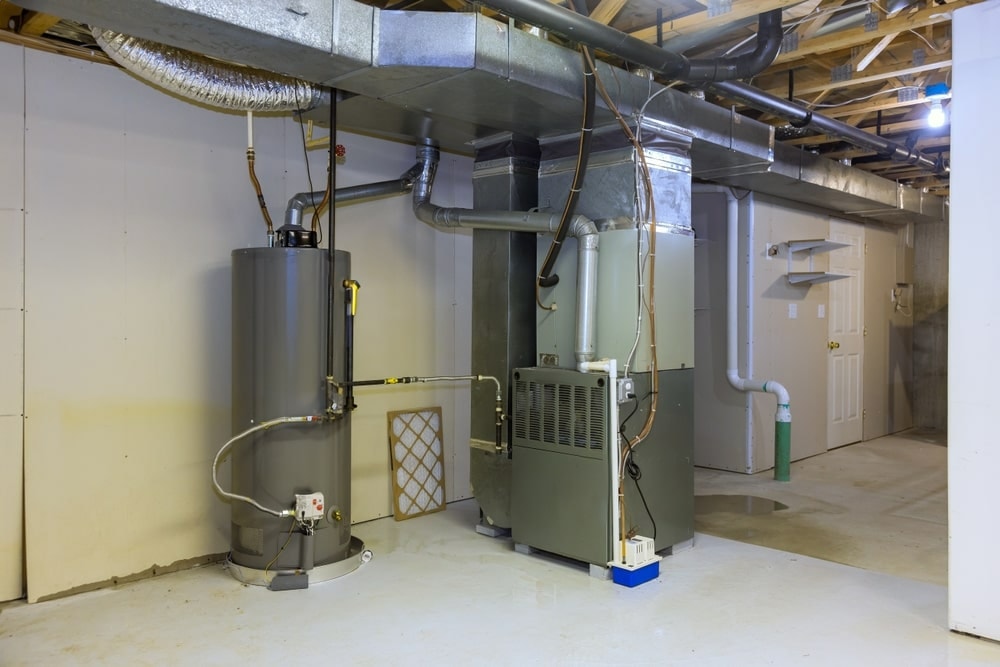
Prepare your Calgary water heater for winter with simple fall maintenance tips and expert advice.
Read More
Learn how to keep your Calgary home cool and smoke-free during heat waves.
Read More
Simple tips to save water and prepare your Calgary home for summer.
Read More

