


Summary:
Calgary has been under repeated heat warnings and wildfire-smoke air quality advisories through late July 2026, with the Air Quality Health Index climbing into the high and very high risk range (9 to 10+) as smoke drifts in from B.C. and the U.S. Pacific Northwest. That combination puts real stress on your home: you need to keep the house cool without opening the windows to smoke. The most effective move is to run your central air conditioner and furnace fan together so all your indoor air is pulled through a good filter, upgrade to a MERV 13 filter during smoke events, keep the system clean so it can handle back-to-back hot days, and add a portable HEPA purifier for bedrooms. This guide walks through how your HVAC system protects your air, what to do during a smoke advisory, and when to call for service.
Calgary does not usually get extreme heat and heavy wildfire smoke at once, but that is exactly what has been happening through late July. Environment Canada has issued repeated heat warnings for the region, while smoke from wildfires in British Columbia and the Pacific Northwest has pushed the Air Quality Health Index into the high and very high risk range, reaching 10+ at its worst.
The problem is that the two events pull you in opposite directions. On a hot day your instinct is to throw the windows open in the evening to cool the house down. During a smoke advisory, that is the one thing you do not want to do, because it fills your home with the same fine particles health officials are warning you to avoid. Staying both cool and healthy this week comes down to how well your cooling and air-handling equipment is working. You can always confirm the current reading for your area through the Environment Canada Calgary air quality forecast or the Alberta Air Quality Health Index.
Most Calgary homes do not have a separate air purification system. Instead, your furnace and central air conditioner share the same ductwork and the same filter, and that filter is your first line of defense against wildfire smoke. That is also why regular furnace and HVAC maintenance matters just as much in summer as it does in winter.
Here is the part many homeowners miss: your thermostat fan setting matters as much as your temperature setting. When the fan is set to "Auto," it only runs while the system is actively heating or cooling, so your air is only being filtered part of the time. Switching the fan to "On" keeps air circulating through the filter continuously, even between cooling cycles, so smoke particles get captured around the clock.
A few things to check during a smoke event:
If you are also fighting rising energy bills from the heat, our guide on Calgary's summer cooling costs has more ways to stay comfortable without overspending.
Yes, and it is one of the cheapest high-impact upgrades you can make. Filters are rated by MERV (Minimum Efficiency Reporting Value), and the higher the number, the smaller the particles they trap. Basic builder-grade filters are often only MERV 6 to 8, which are designed to protect the equipment, not to capture fine wildfire smoke.
For smoke events, a MERV 13 filter captures a much larger share of the fine particles that make air quality advisories dangerous, while still allowing enough airflow for most residential systems. A few pointers:
If you are not sure how high a MERV rating your furnace can safely take, it is worth asking before you buy. The right filter protects your lungs; the wrong one can shorten the life of your equipment.
During a heat warning your air conditioner is already working hard, and a stretch of hot days back to back is exactly when a neglected system tends to quit. Keeping it running efficiently is what lets you stay sealed up and comfortable:
Because you are keeping the windows shut, indoor humidity from cooking, showers, and laundry has nowhere to go.
Your central system does the heavy lifting for the whole house, but during a 10+ AQHI day it helps to add a second layer, especially in the rooms where you spend the most time:
None of this requires opening a window. The goal all week is simple: seal the house, filter the air that is already inside, and keep your cooling equipment healthy enough to run without a breakdown.
Yes. Setting your thermostat fan to "On" instead of "Auto" keeps your indoor air moving through the furnace filter continuously, not just when the system is cooling. With a good filter installed, this is one of the most effective ways to reduce wildfire smoke particles inside your home.
A MERV 13 filter is the sweet spot for most Calgary homes during smoke events, because it captures a large share of fine particles while still allowing enough airflow. Avoid filters that are too dense for your system, as they restrict airflow and can strain the blower motor and reduce cooling. If you are unsure what your furnace can handle, check with an HVAC technician before upgrading.
Yes. A central air conditioner recirculates and cools the air already inside your home rather than pulling in outdoor air, so it does not bring smoke indoors. Running it during a heat warning lets you keep windows and doors closed while staying cool, which is exactly what you want during an air quality advisory. Just keep the system and its filter clean so it can handle the extra demand.
Opening windows lets outdoor wildfire smoke straight into your home, undoing the work your filtration is doing and raising indoor particle levels. During a heat wave with heavy smoke, it is better to cool the house with your air conditioner, block daytime sun with blinds, and use fans, rather than airing the house out.
This week is a reminder that a comfortable, healthy home depends on equipment that is clean, correctly filtered, and ready for back-to-back hot days. Whether you need a filter upgrade, an air conditioner that has stopped keeping up, or advice on improving your home's air quality.
Our team can take a look at your setup and help you figure out what makes sense for your situation. Add ERM Calgary as a Preferred Google Source to see our updates first!
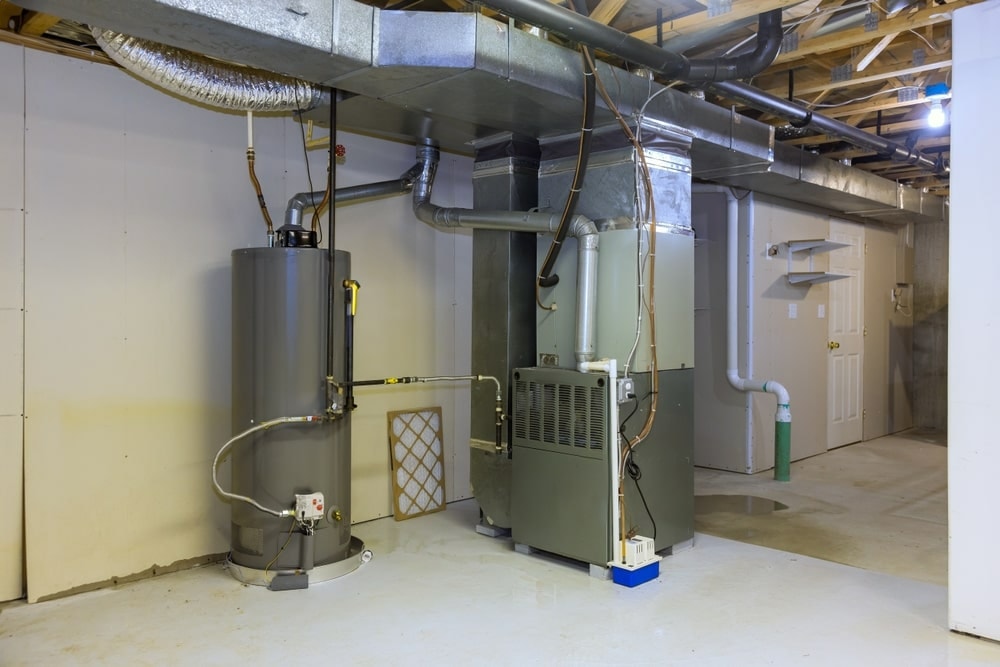
Prepare your Calgary water heater for winter with simple fall maintenance tips and expert advice.
Read MoreLearn how to keep your Calgary home cool and smoke-free during heat waves.
Read More
Simple tips to save water and prepare your Calgary home for summer.
Read More

