


.jpg)

Calgary's extreme winter temperatures regularly dropping below -30°C put your home's plumbing at serious risk of frozen and burst pipes. This comprehensive guide provides actionable strategies to protect your pipes during our harsh winters. Learn which pipes are most vulnerable (exterior walls, crawl spaces, unheated garages), essential winterization steps including insulation techniques, optimal thermostat settings (minimum 15°C even when away), and emergency prevention measures during cold snaps.
We cover the science behind why pipes burst (water expands 9% when freezing, creating 2,000+ PSI pressure), warning signs of frozen pipes, cost-effective prevention methods, and what to do if pipes freeze. Prevent costly damage burst pipe repairs in Calgary average $5,000-$15,000 by implementing these proven winter plumbing protection strategies before temperatures plummet.
Every Calgary winter, thousands of homeowners face the nightmare of burst pipes. The damage is devastating flooded basements, destroyed drywall, ruined belongings, and repair bills reaching $10,000 or more. Yet most burst pipes are entirely preventable with proper preparation and knowledge.
When temperatures plunge to -25°C or colder, the water inside your pipes can freeze, expand, and create enough pressure to split even copper and PEX piping. Understanding how to prevent burst pipes in Calgary winters isn't just about avoiding inconvenience, it's about protecting your home and your wallet from catastrophic damage.
Understanding the science behind frozen pipes helps you appreciate why prevention matters so much.
Water expansion is the culprit. When water freezes, it expands by approximately 9% in volume. This expansion creates tremendous pressure inside your pipes upwards of 2,000 pounds per square inch (PSI). No residential plumbing pipe can withstand this pressure indefinitely.
Burst location often surprises homeowners. Pipes typically don't burst at the frozen blockage point. Instead, pressure builds between the frozen section and a closed faucet downstream, causing the pipe to split anywhere along that section, often in walls where you can't see the problem developing.
Calgary's temperature swings make our winters particularly harsh on plumbing. A pipe that survives at -15°C for weeks might freeze when temperatures suddenly drop to -35°C overnight. These extreme cold snaps which Calgary experiences multiple times each winter catch many homeowners unprepared.
Exterior wall pipes top the vulnerability list. Kitchen sinks, bathroom fixtures, and laundry connections on exterior walls have minimal insulation between them and Calgary's frigid outdoor temperatures.
Unheated spaces create major risks. Pipes running through crawl spaces, attics, unheated garages, or unfinished basements lack the protection of your home's heating system.
Outdoor hose bibs and sprinkler lines are obvious freeze risks but often overlooked until it's too late. Any pipe exposed to outdoor temperatures needs special attention before winter arrives.Short cycling itself won’t immediately harm your family, but the underlying causes can be serious. Restricted airflow, overheating, or cracks in the heat exchanger all put your home at risk. In addition, the constant restarting uses far more energy, sending utility bills higher during Calgary’s already expensive heating season.
The biggest risk is system failure. Furnaces that short cycle repeatedly wear out faster. What starts as a small problem in September can become a no-heat emergency in January. That’s why it’s best to fix short cycling as soon as you notice it.
Prevention starts before the first deep freeze arrives, ideally in October or early November.
Outdoor hose bibs cause countless burst pipe emergencies each winter. Start by disconnecting all garden hoses from outdoor faucets. Water trapped in attached hoses can freeze back into the pipe. Next, locate your interior shutoff valves for outdoor faucets typically in your basement near where the pipe exits through your foundation. Close these shutoff valves completely. Finally, open the outdoor faucets to drain remaining water, leaving them open all winter.
Sprinkler system winterization requires professional blowout service in Calgary. Compressed air blowout removes all water from lines and prevents costly underground pipe bursts. Schedule sprinkler blowout in October, before the first hard freeze. Prices typically run $75-$150 depending on system size.
Foam pipe sleeves are the most common and effective solution. These split foam tubes slip over pipes and provide an insulating barrier. Focus on pipes in unheated areas first crawl spaces, attics, garages, and exterior wall cavities. Home improvement stores in Calgary stock various sizes to fit different pipe diameters.
Heat cable or heat tape provides active protection for extremely vulnerable pipes. These electrical heating elements wrap around pipes and plug into outlets, providing gentle heat during cold weather. Heat cables with built-in thermostats automatically activate when temperatures drop.
Insulate gaps and cracks where cold air enters. Check where pipes penetrate exterior walls and seal gaps with spray foam insulation. Even small openings allow frigid air to reach pipes during extreme cold.
Crawl space vents need attention. If your home has crawl space foundation vents, close them before winter or install insulated vent covers.
Basement windows and gaps around your foundation should be sealed. Check basement window wells for proper drainage and ensure windows seal tightly.
Garage doors should close completely. If you have plumbing in your garage, ensure your garage door seals properly and consider installing a bottom seal.
Once temperatures drop, ongoing vigilance prevents frozen pipes.
Thermostat settings matter enormously. Never let your home's interior temperature drop below 15°C (59°F), even when you're away or trying to save on heating costs. Frozen pipe repair costs dwarf any savings from lowering your heat.
When leaving town, keep heat at minimum 15°C. Ask a neighbor to check your home daily if possible. Consider installing a smart thermostat that alerts you to temperature drops.
Let faucets drip during extreme cold snaps (-25°C and colder). Running water, even a trickle, prevents freezing. Moving water doesn't freeze as readily as still water, and the slight flow relieves pressure that causes bursts.
Focus dripping on faucets connected to vulnerable pipes those on exterior walls or in unheated spaces. A pencil-lead-thin stream is sufficient. Start when Environment Canada forecasts overnight lows of -25°C or colder.
Kitchen and bathroom cabinets on exterior walls should be opened during extreme cold. This allows your home's heated air to circulate around pipes that would otherwise be trapped in cold cabinet spaces against exterior walls. This simple step has prevented countless frozen pipes in Calgary homes.
Keep garage doors closed as much as possible during extreme cold, especially if you have plumbing in the garage. Every time you open the door, frigid air rushes in and drops the temperature dramatically.
Early detection allows you to take action before pipes burst.
Reduced water flow is the first indicator. If water flow from faucets suddenly decreases to a trickle or stops completely during cold weather, you likely have a frozen pipe. Act immediately the pipe hasn't burst yet, but pressure is building.
Frost on exposed pipes provides obvious warning. If you can see pipes in your basement, crawl space, or garage and notice frost forming on the exterior, those pipes are at or below freezing.
Strange sounds like banging or clanking when you turn on faucets can indicate frozen blockages causing pressure fluctuations.
If you suspect frozen pipes:
Keep the affected faucet open. As you work to thaw the pipe, running water will help melt ice and relieve pressure.
Apply heat to the frozen section if accessible. Use a hair dryer, heat lamp, or electric heating pad, never an open flame or propane torch. Work from the faucet back toward the frozen area.
Call a professional plumber immediately if you can't locate the frozen section, can't safely access it, or if pipes don't thaw quickly with applied heat.
Despite your best prevention efforts, pipes can still burst. Knowing how to respond minimizes damage.
Shut off your main water supply immediately. The main shutoff valve (typically near your water meter) stops water flow and prevents additional flooding. Every Calgary homeowner should know this valve's location before emergencies occur.
Turn off electricity if water is flowing near electrical outlets, appliances, or your electrical panel.
Open faucets to drain remaining water from pipes and relieve pressure.
Document damage with photos and videos for insurance claims.
Call emergency plumbing services immediately. Burst pipe repairs require professional expertise.
Contact your insurance company promptly to report the claim.
Move items away from water immediately to prevent additional damage.
Begin water removal if safe to do so use mops, towels, and wet-dry vacuums.
Run dehumidifiers and fans to begin drying affected areas and prevent mold growth, which can start within 24-48 hours.
Understanding the financial impact reinforces why prevention matters.
Prevention costs are minimal:
Burst pipe repair costs are substantial:
The math is clear: investing in prevention saves you from devastating repair bills.
Don't wait for the next extreme cold snap to threaten your home. Implement these frozen pipes prevention Calgary strategies now:
Complete outdoor preparation by disconnecting hoses, shutting off exterior faucets, and scheduling sprinkler blowouts if you haven't already.
Insulate vulnerable pipes throughout your home, focusing on unheated areas and exterior walls.
Know your home's weak spots and where frozen pipes have occurred in previous winters.
Identify your main water shutoff and ensure everyone in your household knows its location.
Save emergency plumbing contact information where you can find it quickly during crises.
Calgary's winter is unforgiving, but with proper preparation and vigilance, you can prevent burst pipes and the devastating damage they cause.
ERM Plumbing & Heating provides comprehensive winter plumbing tips Calgary homeowners trust, including pipe insulation installation, heat cable installation, vulnerable pipe assessment, and emergency repairs if prevention fails. Our experienced technicians know Calgary's climate challenges and provide reliable solutions to keep your pipes flowing all winter. We offer 24/7 emergency service for burst pipes because plumbing emergencies don't wait for business hours.
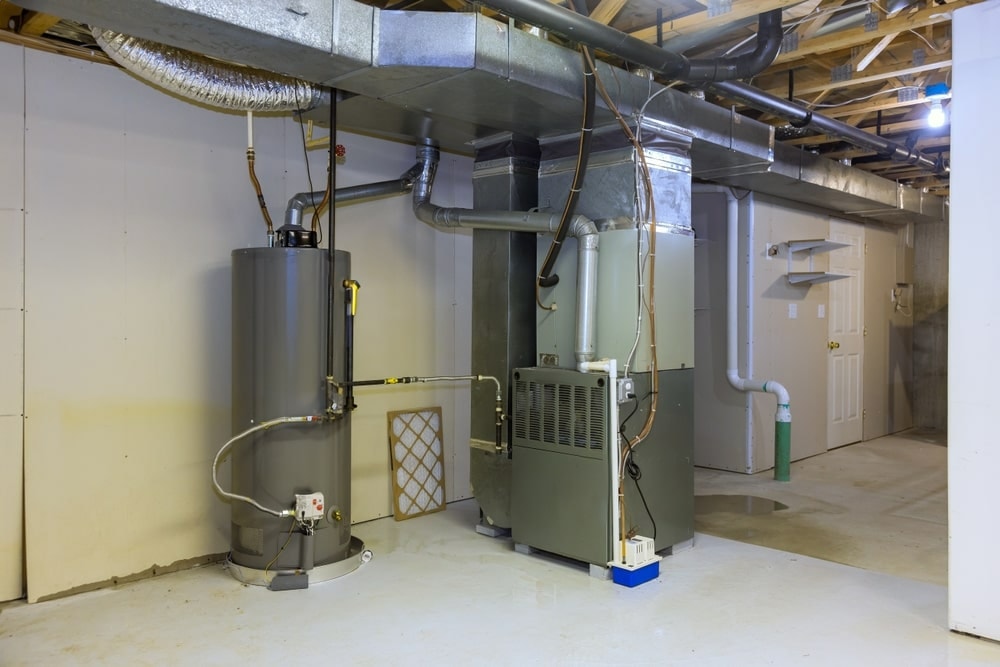
Prepare your Calgary water heater for winter with simple fall maintenance tips and expert advice.
Read More
Learn how to keep your Calgary home cool and smoke-free during heat waves.
Read More
Simple tips to save water and prepare your Calgary home for summer.
Read More

